
- Physical complaints
- Hypermobility
Hypermobility
Hypermobility means that joints have too much freedom of movement. Due to excessive, unrestrained movements, joints are more heavily loaded and the chance of injuries is greater.
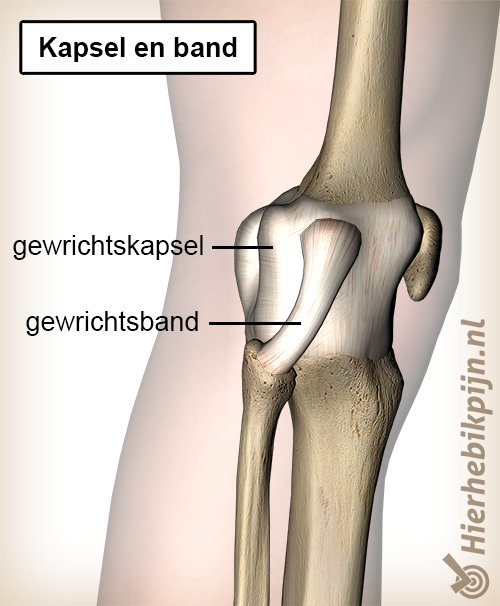
Hypermobility does not always lead to complaints. If hypermobility causes complaints, it is called the hypermobility syndrome (HMS). This hypermobility syndrome occurs in an average of four to seven percent of the population and is generally more common in women than in men.
What causes hypermobility?
Hypermobility has a hereditary cause. It is genetically determined how elastic the ligaments and capsules of joints are. With too much elasticity of ligaments, the joint is insufficiently stabilised (supported). This must be compensated for by the muscles and tendons around the joint, but that is not always possible.
What are the characteristics (symptoms) of hypermobility?
Because muscles and tendons have to work harder to stabilise joints in hypermobility, they become overloaded more quickly. Complaints such as fatigue and muscle pain are therefore the most common in the hypermobility syndrome.
Due to overuse, the joints can swell. At the same time, there is a greater chance of dislocations of shoulders, elbows and ankles due to very supple ligaments. Especially at a young age, children with hypermobility have an increased risk of the hip or kneecap dislocating.
How is the diagnosis of hypermobility made?
The diagnosis of hypermobility can be derived fairly easily from the physical examination by a GP or physiotherapist. There are special tests and criteria for this. If necessary, a referral is made to a rheumatologist, who can also investigate heredity.
How is hypermobility treated?
There are no medicines against hypermobility. But, as part of the ageing process, ligaments will become stiffer and the complaints will partly disappear.
An important part of the treatment is exercise therapy. After all, it is wise to train strength and stability of muscles and joints well. It is advisable to do this under the guidance of a physiotherapist.
Related topics
- Muscle soreness
- Muscle cramp
- Muscle contusion
- Muscle strain
- Inflammation
- Heel spur
- Sprained ankle
- Cervical herniated disc
- Herniated disc
- Sciatica
- Polymyalgia rheumatica
- Bursitis
- Lumbago
- Groin pain
- Hypermobility
- Hip dysplasia
- Spondylosis
- Overuse
- Referred pain
- Worn hip
- COPD
- Tendon inflammation
- High blood pressure
- Tendinopathy
- Torn ankle ligament
- Bronchitis
- Emphysema
- Lower back pain
- Asthma
- Knee osteoarthritis
- Floating rib syndrome
- Scapula alata
- Cracking joints
- Back pain
- Discopathy
- Incontinence
- Pneumonia
- Fracture
- Flat feet
- High-arched feet
- Types of bone fractures
- Bone fracture
- Pigeon chest
- Funnel chest
- Fluid in the ankle
- Fluid in the knee
- Sarcopenia
- Iliotibial band friction syndrome
- Impingement syndrome
- Tremor
- page_id_642_title