
- Anatomy
- Proprioception
Proprioception
Proprioception is another term for "position sense". It refers to the awareness of the position of one’s own body and body parts in space.
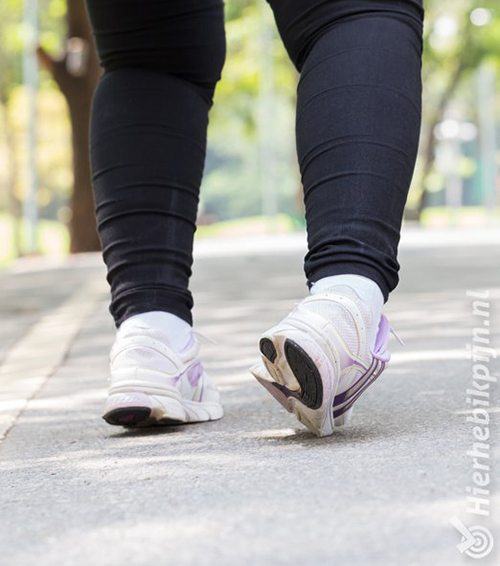
Proprioception encompasses the ability to perceive stimuli from the environment and from the body itself. These stimuli are picked up by sensors and transmitted via sensory nerves to the central nervous system.
The musculoskeletal system has many of these sensors. Proprioception provides the central nervous system and the brain with information about the position of the muscles and joints. The brain is able to feed this information back to the body. Position sense provides information about the body itself, such as posture, muscle length, muscle tension, and movement of muscles, joints, and ligaments. The feeling of heaviness or fatigue, such as "heavy" legs, is also provided by proprioceptive perceptions. These perceptions play an important role in body awareness (the subjective feeling about our body).
Proprioception in rehabilitation
In rehabilitation, proprioception plays an important role. It is crucial that nerves transmit the correct signals about the position of the body to the central nervous system. For example: in an ankle sprain, the signals are no longer properly felt by the sensors. This disturbance is caused by the trauma (pain, fluid, change in length, torn ligament). This makes it difficult for the sensors to feel the signals properly. Consequently, the correct information about the position of the ankle joint, muscles, and ligaments is not transmitted to the brain. This can lead to recurrence of the ankle sprain. The sensors need to be trained again to feel and pass on the correct signals. In someone with a brain disorder, such as a stroke, muscle sensation is severely impaired. This is not because the sensors in the musculoskeletal system are affected, but because information processing in the brain is not functioning properly. The feedback is disturbed. This becomes clearly visible when this person is asked to place the unaffected arm—without looking—in the same position as the affected arm. That proves difficult or even impossible.
Related topics
- Subscapularis
- Connective tissue
- Joint
- Ligaments
- Joint capsule
- Synovial fluid
- Bursa
- Nervous system
- Central nervous system
- Peripheral nervous system
- Motor nerve
- Sensory nerve
- Muscles
- Tendons
- Proprioception
- Dermatomes
- Hamstrings
- Achilles tendon
- Anatomy of the wrist
- Anatomy of the hand
- Osteoarthritis
- Anatomy of the foot
- Big toe
- Trigger points
- Anatomy of the thigh
- Cartilage
- Rotator cuff
- Intervertebral disc
- SI joint
- Lungs
- Anatomy of the abdominal muscles
- Anatomy of the bones
- Pelvic floor muscles
- Trapezius muscle
- Skin
- Anatomy of the spine