- Medicines
- Corticosteroids
Corticosteroids
Corticosteroids are medicines that support the body's own adrenal cortex hormones. They are used to suppress inflammatory reactions, infections and autoimmune diseases. The medicine also has a strong effect on the body's fluid balance and the metabolism of sugars, proteins and fats.

Despite the powerful action of corticosteroids, they do not address the underlying cause of the symptoms. It is therefore advisable to also consult a physiotherapist. They can assess whether the inflammatory symptoms and other related complaints fall within the physiotherapist's field of work and draw up a treatment plan. Think of massage techniques, advice, and exercise therapy.
What are corticosteroids used for?
Corticosteroids have a very powerful effect and are used in many physical conditions. One reason is when the body itself produces too little adrenal cortex hormone. Adrenal cortex hormone is needed to release and store energy, minerals, and salts. It also suppresses inflammation and hypersensitivity reactions.
A shortage of adrenal cortex hormone is often recognisable by symptoms such as dehydration, low blood pressure, weight loss, low blood sugar, disorientation, nausea, and fatigue. In this case, the medicine serves as a supplement and replaces or supports the body's production of adrenal cortex hormones.
Another reason can be autoimmune diseases, in which the immune system attacks its own organs and tissues. Examples are: rheumatoid arthritis, MS (multiple sclerosis), Crohn's disease, and psoriasis.
Furthermore, corticosteroids are used in bursitis, tendonitis (in a late phase), or chronic inflammatory diseases such as COPD. Corticosteroids can also be given during cancer treatment to suppress possible side effects of chemotherapy.
What are possible side effects of corticosteroids?
Corticosteroids themselves can also have side effects, especially with long-term use. With this in mind, the GP or specialist will try to keep the dose as short and as low as possible.
In general, corticosteroids administered locally have fewer side effects than tablets. Examples of local use are eye drops, injections, ointment, or inhalers.
Possible side effects largely depend on the location, dose, and form of use of the medicine. With eye drops, the most common side effects are increased eye pressure and secondary eye infections. With inhaled corticosteroids, side effects such as coughing, dry mouth, and hoarseness are seen.
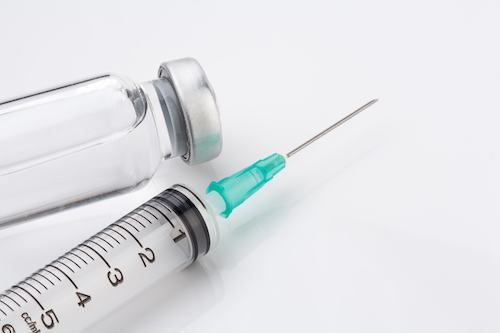
Injections with corticosteroids also mainly have a local (superficial) effect. Possible side effects include thinning of the skin at the injection site, skin discolouration, or a temporary increase in inflammatory processes.
Corticosteroids in tablet form have a more systemic effect. This means they can have a strong effect on the entire body. Possible side effects are disturbances in fluid balance, bone loss, high blood pressure, and mental disorders.
Where are corticosteroids available?
For corticosteroids, the availability depends on which type is used in which dose. In most cases, they are only available on prescription from a GP or specialist. In the case of an injection, specialist care will always be required.
The best-known corticosteroid is Prednisone, as the generic Prednisolone or under the brand name Di-Adreson-F aquosum. Prednisone is available as capsules, liquid, tablets, ointment, and inhalation. Administration by injection must be performed by a (GP) doctor.